Kakadu National Park, in the heart of Northern Australia, is a wilderness of incredible biodiversity, culture and history. A UNESCO World Heritage site for both its natural values and Aboriginal rock art, Kakadu covers a vast area of different landscapes, including wetlands, tidal flats, monsoonal rainforests, and rugged stone country. Among the many native wildlife that call this place home, one group is the most common: birds.
If you’re planning a Kakadu trip, you’ll soon discover that birdwatching is one of the best things to do.
Birds Rule Kakadu
Kakadu is home to over 280 bird species, making it one of the top birdwatching destinations in Australia. These birds are not only the most seen animals in the park but also a vital part of the ecosystem.
From elegant Black-necked Storks (jabirus) and stunning rainbow bee-eaters to majestic white bellied sea eagles, the skies, trees and billabongs are alive with colour and sound. The Yellow Water Billabong, Magela Creek, Mary Rivers, and Alligator Rivers are the best places to see water birds, migratory birds and even stork species.
Many Kakadu tours offer early morning cruises or guided walks to get up close to these beautiful birds, making them a highlight of any visit.
Why Birds Are So Common in Kakadu
There are several reasons why birdlife is so abundant in Kakadu:
- Different habitats: From coastal waters and freshwater billabongs to stone country and savannah woodlands, the park’s range of aquatic habitats and terrestrial ecosystems supports many species.
- Seasonal changes: Monsoon rains and wet season rains fill the floodplains, attracting aquatic species and migratory species from as far as the Torres Strait.
- Food source: Native plants, aquatic plants, insect life, and freshwater fish provide a steady food supply for many bird species.
- Protected area: Thanks to Parks Australia and working with park managers and Traditional Owners, these native species are left to thrive with minimal disturbance.
If you’re on a 3 day Kakadu tour, you’ll see a lot of birds, especially at Yellow Water and Fogg Dam.
Other Common Animals in Kakadu
While birds are the stars, Kakadu is teeming with wildlife. The native animals and iconic species that roam free include:
Saltwater Crocodiles (Ginga)
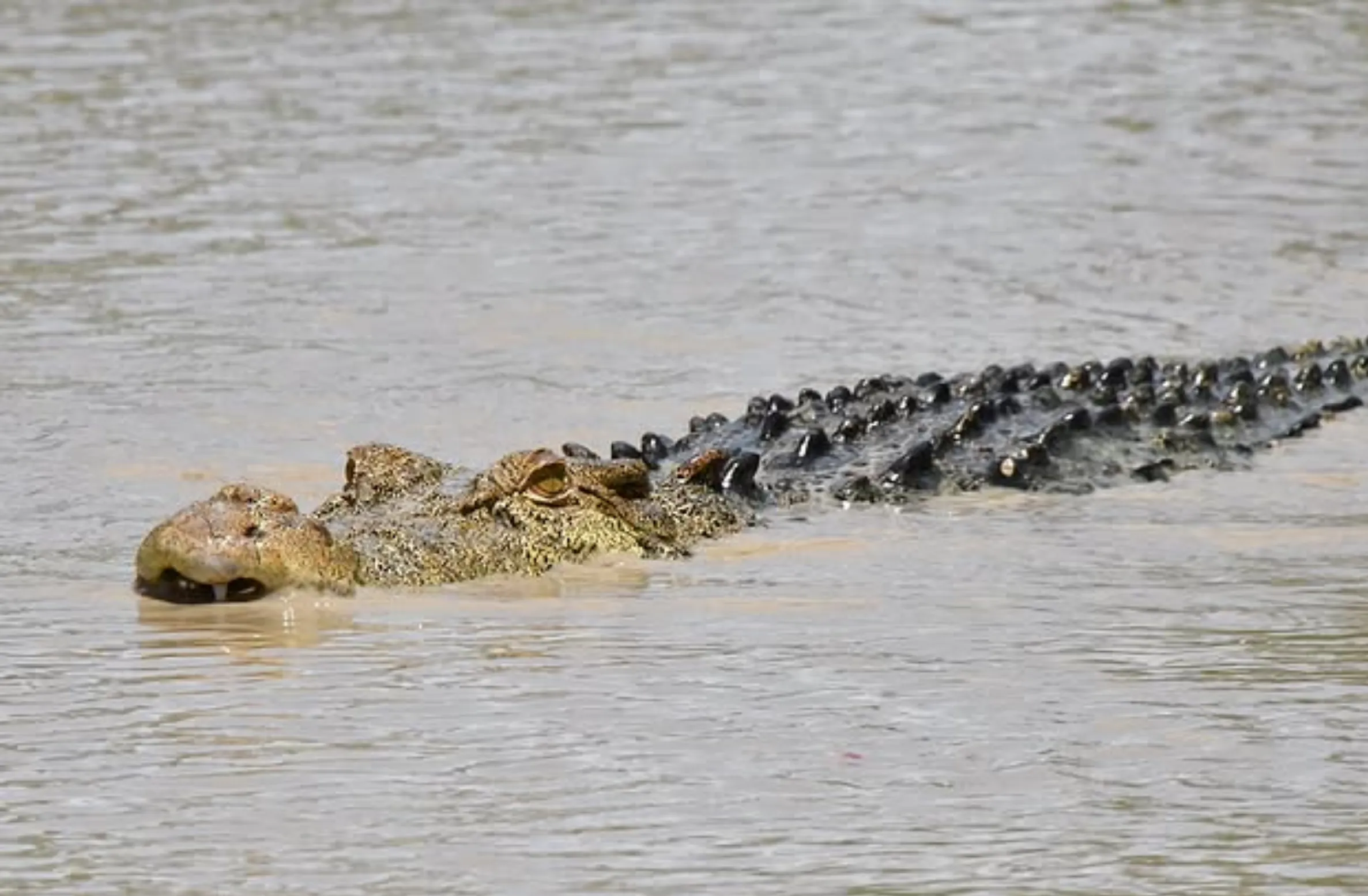
Kakadu’s most iconic predator, the saltwater crocodile (locally known as Ginga), is one of the biggest predators in Northern Australia. These ancient reptiles can be seen along river banks, tidal rivers and billabongs such as Yellow Water. As there are many species of crocodile here, they are best seen from a safe distance on a Kakadu tour cruise, often departing from Cooinda Lodge.
Agile Wallabies
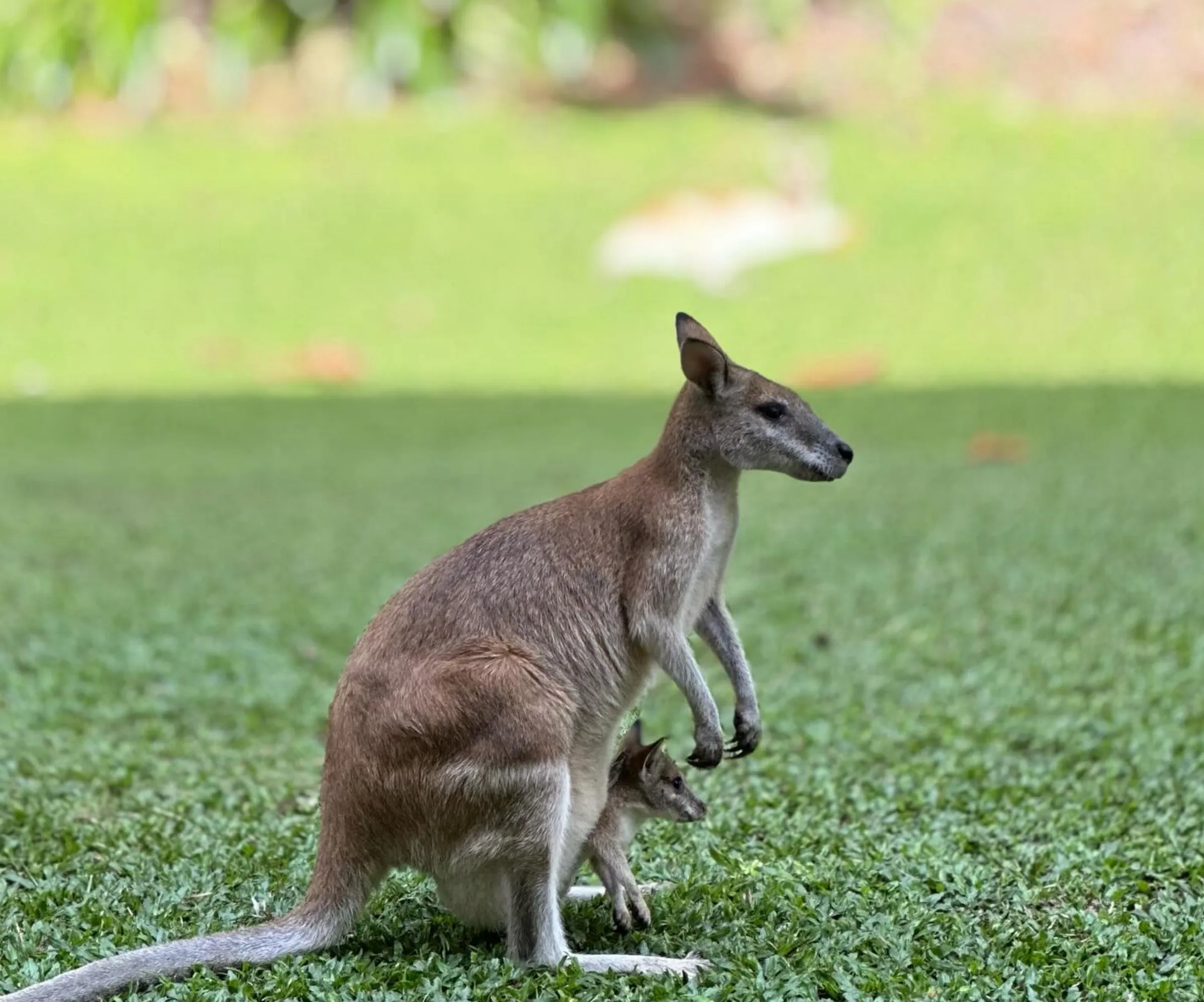
The Agile Wallaby is another native species often seen near campgrounds, park boundaries and open woodland trails. Many Kakadu National Park tours include early morning walks where you’ll almost guaranteed to see these wallabies.
Fruit Bats (Flying Foxes)
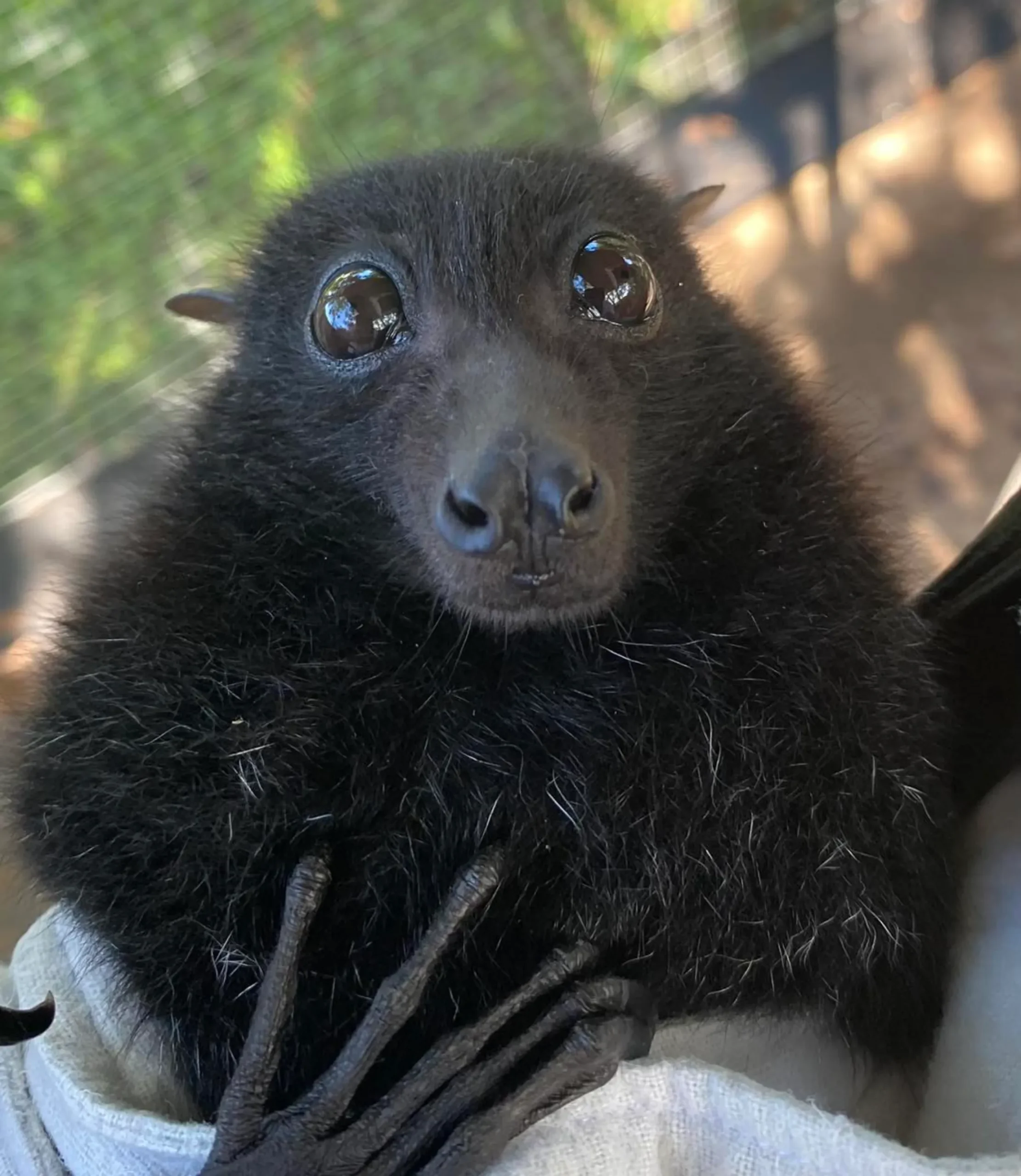
Also known as flying foxes, these bats form large noisy colonies in trees near water sources. They feed on nectar and fruit and are vital to pollination. You’ll often see them flying at dusk or hanging from a tree branch during the day.
Freshwater Crocodiles
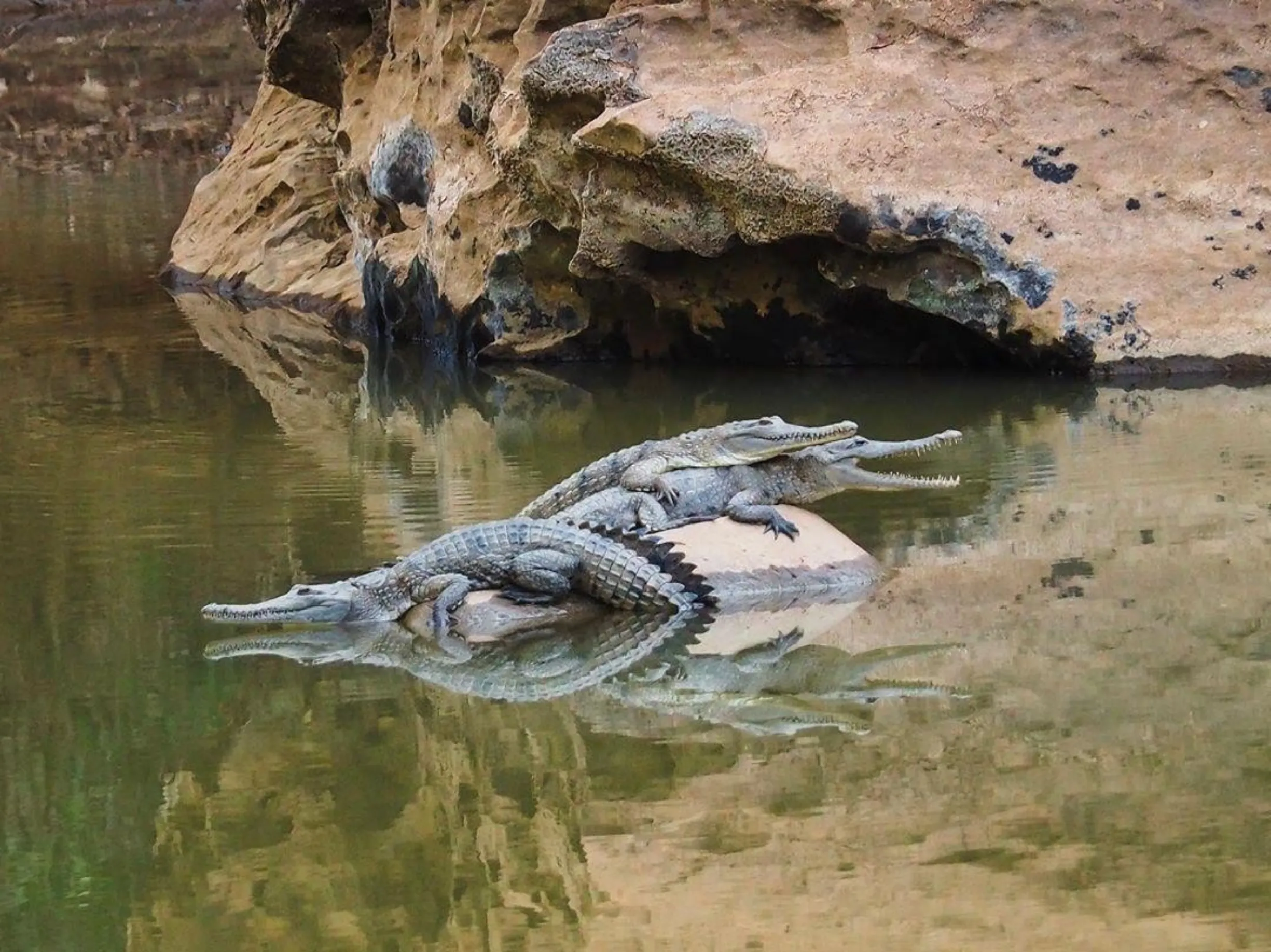
The smaller cousin of the saltwater croc, the freshwater crocodile (Crocodylus johnstonii) lives in freshwater billabongs and rocky streams. They are a common sight on many Kakadu tours that explore quieter pools and creeks.
Reptiles, Frogs & More
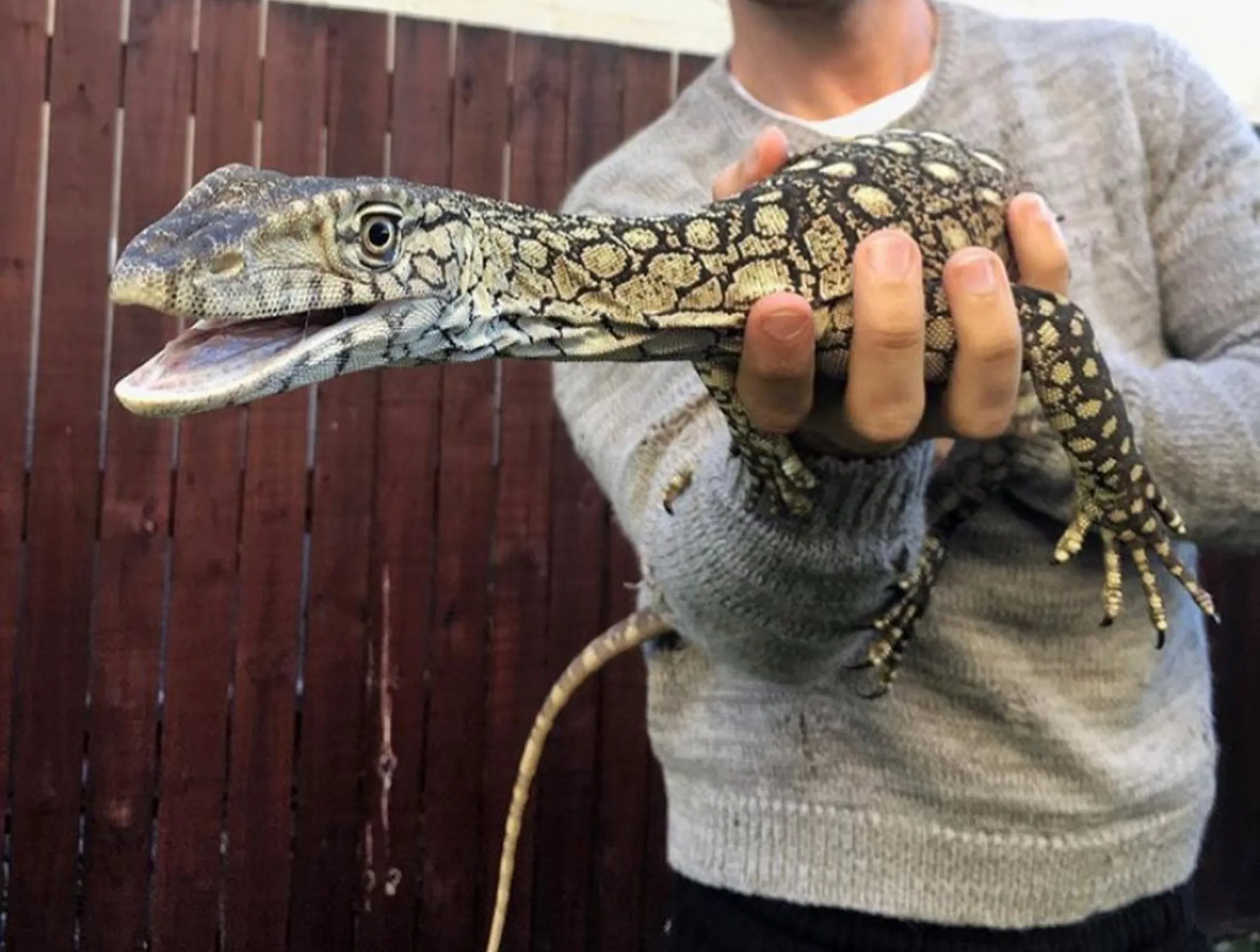
Kakadu has more than 120 species of reptiles, including frill necked lizards, dragon lizards, the biggest lizard (monitor lizards), and file snakes. During the wet season, over 50 frog species, like the green tree frog, can be heard throughout the park. The sounds of frogs are especially loud after heavy rain when aquatic habitats expand.
Best Time to See Wildlife
Your wildlife experience will depend on the season
Dry Season (May–October): Best for seeing native wildlife at water sources. Trails and lookouts are open, and animals are easy to see. This is the peak time for many Kakadu tours.
Wet Season (November–April): Access is limited due to flooding but this is when frog species, migratory birds and aquatic species come alive. Fogg Dam and Jim Jim Falls are especially beautiful after rain.
Transitional periods: A mix of both worlds with fewer visitors and changing native wildlife behaviour.
Responsible Wildlife Viewing
To protect Kakadu’s wildlife, always remember:
- Keep a safe distance from animals.
- Never feed wildlife.
- Stick to the tracks and platforms.
- Be aware of Aboriginal sacred sites, such as Ubirr Rock, Nourlangie Rock and Aboriginal rock art.
- Report invasive species or toxic animals like cane toads to park staff.
Joining a Kakadu tour means you’ll be engaging with the environment in a responsible and informed way, often with local Bininj/Mungguy people or expert naturalists.
Conclusion
So, what is the most common animal in Kakadu? Without a doubt, birds rule. With over 280 bird species, Kakadu’s diverse landscapes and iconic scenery are the perfect setting for unforgettable wildlife encounters. But beyond birds, the park is home to endemic species, native mammals, reptiles and aquatic life – a nature lover’s paradise.
Whether you’re on a 3 day Kakadu tour, self-driving or joining expert-led Kakadu tours to explore stone country, wetlands and rock outcrops, every Kakadu trip is an opportunity to connect with wildlife in its natural habitat.
FAQ
What is the most seen animal in Kakadu National Park?
Birds are the most seen animals, with over 280 bird species throughout the various habitats of the park.
Are saltwater crocodiles more common than freshwater ones in Kakadu?
Yes. Saltwater crocodiles (Ginga) are more widespread in coastal waters, rivers and tidal flats, while freshwater crocodiles are found in quieter bodies of water.
What mammals are found in Kakadu?
Common mammals are Agile Wallabies, black wallaroos, Antilopine wallaroos, Sugar gliders, and various species of bats and marsupials.
When is the best time to see birds?
The dry season (May to October) is the best time for birdwatching as birds are drawn to shrinking water sources like billabongs and creeks.
Are there any animals to be careful of in Kakadu?
Yes. Saltwater crocodiles, venomous snakes and toxic animals like cane toads. Follow safety advice from park staff and rangers.